 Save Pin
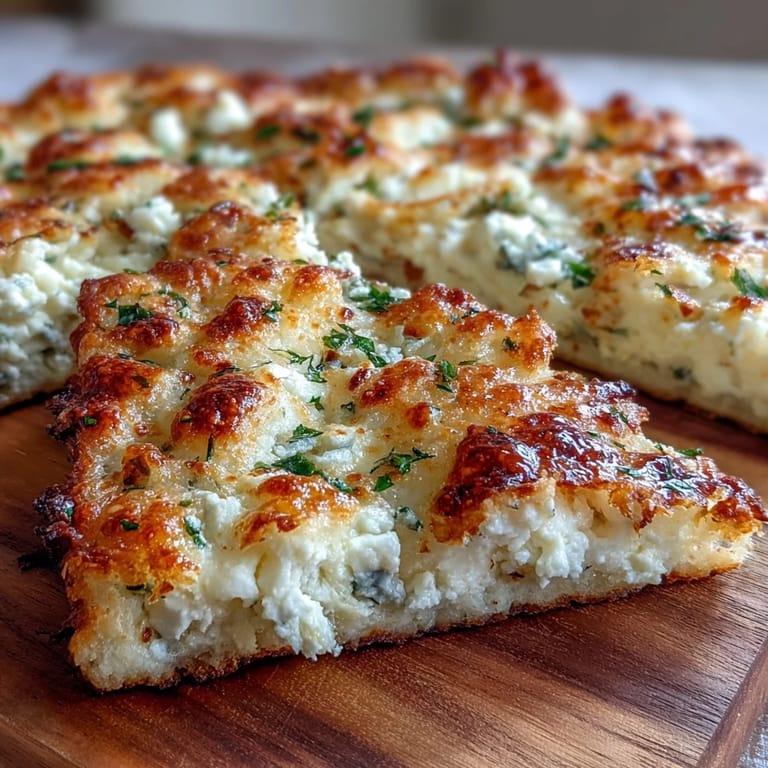
 The skillet was too hot, and my first flatbread puffed up like a balloon before scorching in the middle. I laughed, peeled it off, adjusted the heat, and tried again. This time it bubbled gently, turning golden and soft, with that faint tangy aroma from the cottage cheese curds folded into the dough. I tore off a piece while it was still warm, and it was tender, pillowy, better than any store-bought wrap I'd ever bought.
I made a batch on a rainy Saturday when I didn't want to leave the house but needed something warm and filling. My neighbor knocked just as I flipped the second one, and I handed her a piece with butter melted into the center. She stood in my doorway eating it with her eyes closed, asking if I'd used yeast. When I told her it was cottage cheese, she didn't believe me until I showed her the empty container in the sink.
Ingredients
- All-purpose flour: This gives structure without making the dough tough, and a little extra for dusting keeps everything from sticking to your counter.
- Baking powder: It creates those airy pockets and bubbles that puff up beautifully in the hot skillet.
- Fine salt: Just enough to balance the tang and bring out the flavor of the herbs if you add them.
- Garlic powder: Optional, but it adds a gentle savory note that makes these taste almost like garlic naan.
- Full-fat cottage cheese: The curds melt into the dough as it cooks, creating tenderness and a slight richness you can taste in every bite.
- Egg: It binds everything together and adds a little lift, helping the flatbreads stay soft even after they cool.
- Olive oil: A tablespoon in the dough keeps it pliable, and a brush of it in the pan gives you those golden, crispy edges.
- Fresh chopped herbs: Parsley or chives add little flecks of green and a bright, fresh flavor that feels like spring.
- Water: Sometimes the dough needs a splash to come together, especially if your cottage cheese is extra thick or dry.
Tired of Takeout? 🥡
Get 10 meals you can make faster than delivery arrives. Seriously.
One email. No spam. Unsubscribe anytime.
Instructions
- Mix the dry ingredients:
- Whisk the flour, baking powder, salt, and garlic powder in a medium bowl until everything is evenly blended and there are no little clumps hiding at the bottom.
- Combine the wet ingredients:
- In another bowl, mash the drained cottage cheese with the egg, olive oil, and herbs using a fork until it looks mostly smooth. A few curds are fine, they'll disappear as you mix.
- Form the dough:
- Pour the wet mixture into the dry ingredients and stir gently with a spatula until a shaggy dough starts to come together. If it feels too crumbly, add water one teaspoon at a time until it holds its shape.
- Knead gently:
- Turn the dough onto a floured surface and fold it over itself six to eight times, just enough to bring it into a smooth ball. Don't overwork it or the flatbreads will turn tough.
- Let it rest:
- Cover the dough with a clean towel or plastic wrap and let it sit for ten minutes. This gives the flour time to hydrate and makes rolling so much easier.
- Divide and roll:
- Cut the dough into four equal pieces and roll each into a smooth ball. Flatten each ball with a rolling pin or your hands into a round about a quarter inch thick, dusting lightly with flour as needed.
- Heat the skillet:
- Warm a nonstick or cast-iron skillet over medium heat and brush it lightly with olive oil. You want it hot enough to sizzle softly but not so hot that it smokes.
- Cook the flatbread:
- Place one rolled flatbread in the skillet and cook for two to three minutes until bubbles form and the bottom turns golden. Flip and cook another one to two minutes until it's cooked through and lightly browned.
- Keep warm:
- Transfer the cooked flatbread to a plate and cover with a towel to keep it soft and warm. Repeat with the remaining dough, brushing the pan with a little more oil between each one.
- Serve:
- Enjoy them warm, wrapped around your favorite fillings, dunked in hummus, or topped with sauce and cheese for a quick homemade pizza.
 Save Pin
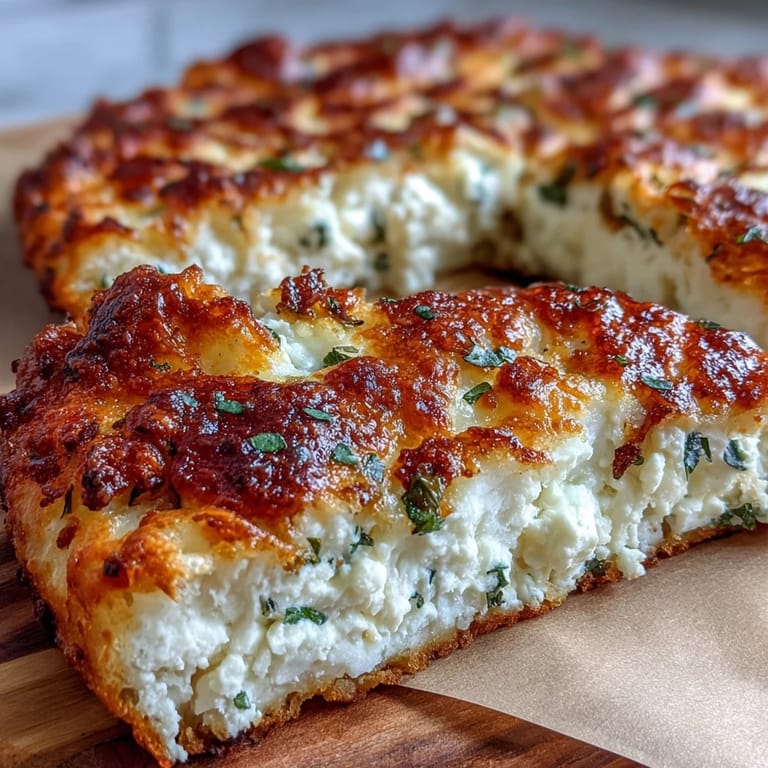
 One evening I spread one with marinara and mozzarella, then slid it under the broiler for a few minutes. It came out bubbly and charred at the edges, tasting like something I'd pay twelve dollars for at a cafe. My kids fought over the last piece, and I realized I'd stumbled onto something that felt both humble and special at the same time.
How to Store and Reheat
Stack the cooled flatbreads with a piece of parchment between each one and seal them in an airtight container or zip-top bag. They'll keep in the fridge for up to three days, or you can freeze them for up to a month. To reheat, warm them in a dry skillet for about thirty seconds per side, or wrap in a damp paper towel and microwave for fifteen to twenty seconds. Either way, they come back soft and ready to eat.
Flavor Variations to Try
I've folded finely chopped spinach into the dough for little green flecks, and once I stirred in minced sun-dried tomatoes that turned the whole batch a beautiful orange-pink. You can swap the herbs for za'atar or dried oregano, or leave them plain if you want a neutral base for sweet toppings like honey and ricotta. Each version tastes a little different, but they all puff up and brown the same way.
Serving Suggestions
These flatbreads are soft enough to wrap around scrambled eggs and avocado for breakfast, sturdy enough to hold grilled chicken and tzatziki for lunch, and quick enough to turn into personal pizzas when you're too tired to order takeout. I've served them alongside soup, torn into pieces for dipping, and once I even used them as the base for open-faced sandwiches at a picnic.
- Spread with hummus, top with cucumber and feta, and roll into a quick lunch wrap.
- Brush with melted butter and garlic, then cut into wedges for a warm bread basket.
- Use as a pizza base and bake at 425 degrees for eight to ten minutes until the cheese is bubbly.
 Save Pin
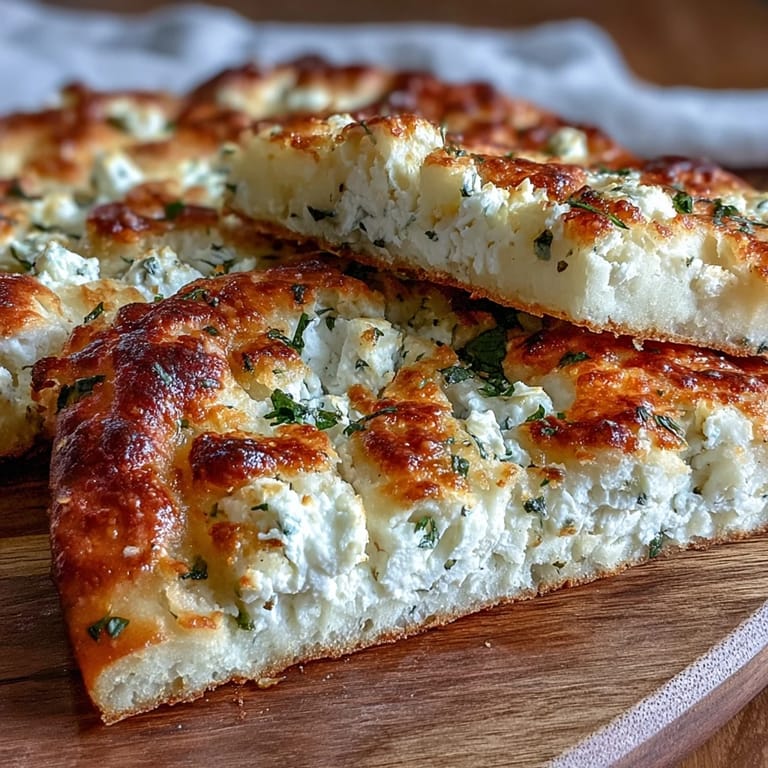
 Now I keep a tub of cottage cheese in the fridge just for this recipe, because it's become my answer to those nights when I want something homemade without the wait. They're simple, forgiving, and always better than I expect.
Recipe Questions & Answers
- → Can I make these flatbreads gluten-free?
Yes, substitute the all-purpose flour with a 1:1 gluten-free flour blend. Add 1 tablespoon of ground flaxseed to help maintain texture and structure in the dough.
- → How should I store leftover flatbreads?
Store cooled flatbreads in an airtight container in the refrigerator for up to 3 days. For longer storage, freeze them for up to 1 month. Reheat in a skillet with a light splash of water or microwave with a damp paper towel to restore softness.
- → Can I add other ingredients to the dough?
Absolutely. Finely chopped spinach, sun-dried tomatoes, grated cheese, or roasted garlic all work well. Keep additions to about 2-3 tablespoons total to maintain the dough's consistency.
- → Why is my dough too dry or sticky?
Dough consistency can vary based on humidity and cottage cheese moisture. If too dry, add water 1 teaspoon at a time. If too sticky, dust with a bit more flour during rolling. The dough should be soft and slightly tacky but manageable.
- → Can I use these as pizza bases?
Yes, these make excellent quick pizza bases. Top with sauce and cheese, then bake at 425°F for 8–10 minutes until the cheese melts and bubbles. The sturdy texture holds toppings well without becoming soggy.