 Save Pin
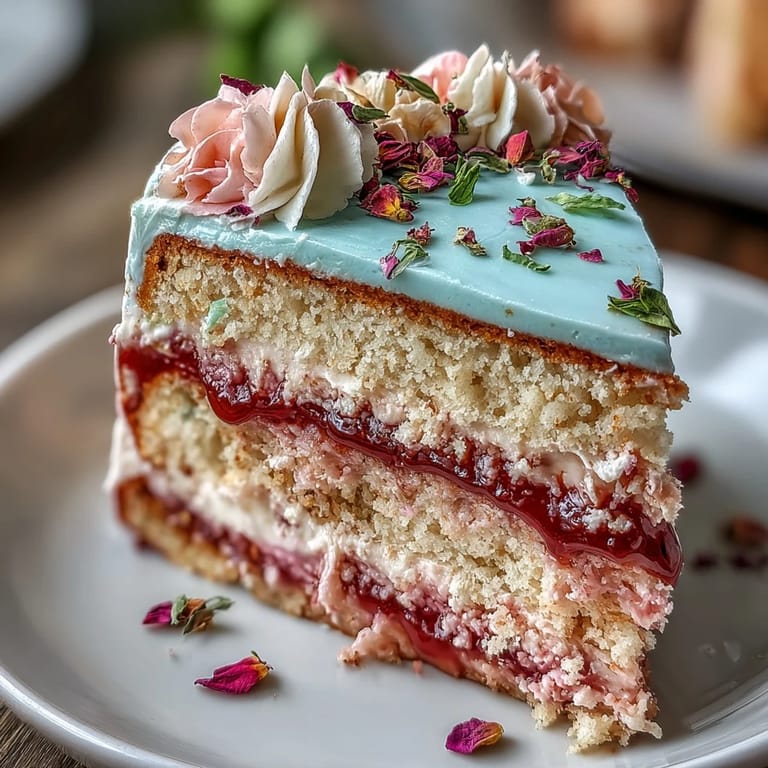
 The first hint that spring was truly on its way came from the small bouquet I brought home—violets, pansies, petals scattered across the kitchen table. That evening, the idea for this pastel ombre cake sparked simply from admiring those colors and the earthy, floral scent filling the air. Baking this creation feels like welcoming the season, where each layer becomes a canvas for soft hues and delicate blooms. I remember how the gentle rhythm of creaming butter and sugar matched the lull outside my window, promising something special. This cake isn&apost just pretty; it carries that mood of bright beginnings wherever it is served.
I once made this cake for a friend&aposs spring baby shower, and the kitchen was full of laughter and pastel bowls lined up across the counter. We debated over the right shade of pink—she wanted it soft enough to blush, I leaned toward a touch more brightness. After piling the cake layers and smoothing out the first swirl of buttercream, someone sneaked a petal just to taste. We all cheered when the cake appeared, sure it would be the star of the table, and it certainly was.
Ingredients
- All-purpose flour: Creates the tender crumb and stability; sifting helps prevent dense spots.
- Baking powder & baking soda: These ensure the cake rises evenly and keeps it light.
- Salt: Enhances sweetness and boosts flavor, a pinch goes a long way.
- Unsalted butter: Room temperature is crucial for a creamy texture—the softer it is, the easier to whip.
- Granulated sugar: Whipping it with the butter traps air, giving a soft, airy structure.
- Eggs: Always use room temperature—cold eggs can cause curdling and uneven texture.
- Vanilla extract: Adds warmth and depth; using pure extract makes a world of difference.
- Whole milk: Brings moisture and richness; room temperature prevents the batter from seizing.
- Gel food coloring: Achieves vivid pastel hues without thinning batter; go slow, a little dab is plenty.
- Powdered sugar: Gives buttercream its silky finish; sift for a lump-free result.
- Edible flowers: Choose organic and certified edible varieties—always check labels to be safe.
Tired of Takeout? 🥡
Get 10 meals you can make faster than delivery arrives. Seriously.
One email. No spam. Unsubscribe anytime.
Instructions
- Prep the pans:
- This is where you set the stage—grease thoroughly and line with parchment so the cake slips out without drama.
- Mix dry ingredients:
- Whisk together flour, baking powder, baking soda, and salt; the gentle sound is like sifting through spring dust.
- Cream butter and sugar:
- You&aposll want to whip until light and fluffy, watching for the mixture to pale and expand, making your arms ache just enough.
- Add eggs and vanilla:
- Mix in eggs one at a time, and let vanilla swirl its perfume through; every addition smooths the batter further.
- Combine and color batter:
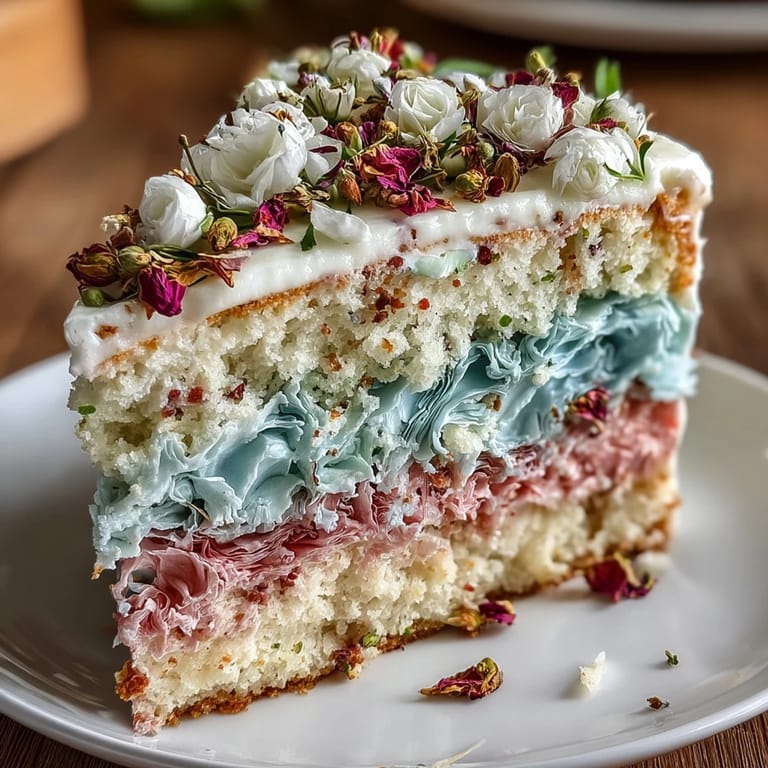
- Alternate the dry mix and milk, then split the batter—tint each bowl softly with gel coloring, stirring just till you see a gentle ombre gradient.
- Bake the layers:
- Pour colored batters into pans, bake until a toothpick comes out clean and the kitchen is fragrant; cool before moving on.
- Whip up buttercream:
- Beat the butter till creamy, then slowly blend in powdered sugar, vanilla, and milk; divide and color as needed for your ombre palette.
- Assemble and frost:
- Layer up cake and buttercream, gently smoothing and blending shades; chill after the crumb coat for sharper edges, then finish with ombre frosting.
- Create floral topper:
- Just before serving, scatter edible flowers atop—arrange like a little meadow, right at the finish line.
 Save Pin
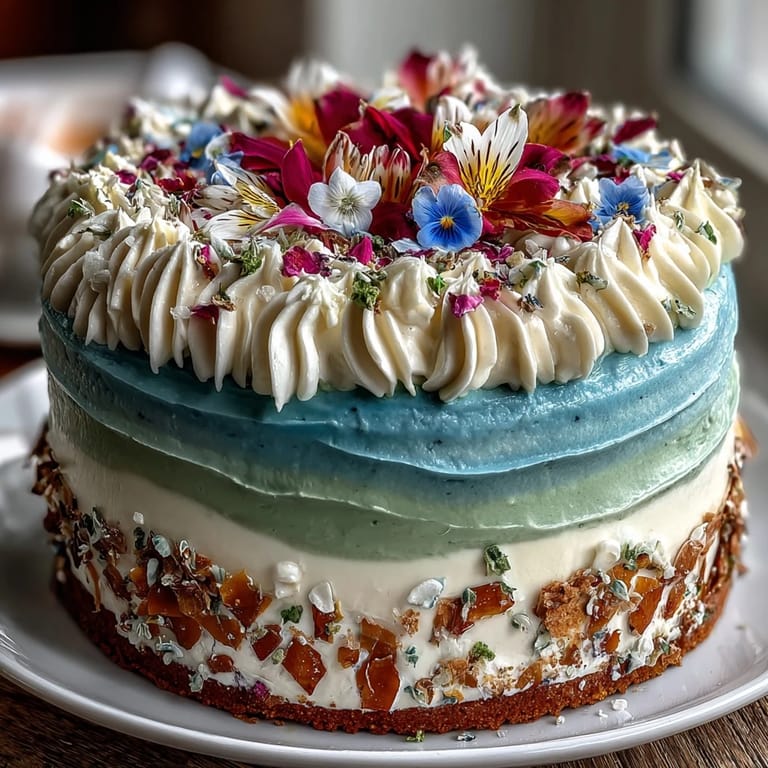
 The afternoon I first served this cake at a spring picnic, everyone paused, just gazing at the floral crown as if it were a bouquet rather than dessert. Sharing slices felt ceremonial—each person received a handful of petals and pastel, the moment lingering like a gentle breeze. It&aposs odd, but a cake can truly steal the spotlight and bring people together.
How to Nail the Ombre Effect
The trickiest part is tinting the batter and frosting just enough to create soft transitions, not harsh stripes. I learned to start with just a toothpick tip worth of gel coloring and mix gently, adjusting shade by shade. Blend the pastel edges together on the cake so the color shifts feel almost accidental rather than sharp.
Selecting and Using Edible Flowers
Edible flowers can transform the simplest cake into something spectacular. It helps to lay out the flowers first, arranging them on parchment so you can visualize your topper before placing it. Always rinse and dry the flowers gently, and check for any stray stems or leaves that might be tougher.
Buttercream Troubleshooting and Last-Minute Fixes
If your buttercream turns grainy or too thin, just add powdered sugar little by little—patience is your friend. When the frosting feels too stiff, splash in milk, about a teaspoon at a time, until it&aposs smooth again. If your ombre colors get muddled, a quick swirl with an offset spatula can save the look.
- Keep your cake chilled before serving, especially if it&aposs warm out.
- Wipe the spatula between color changes to keep shades clean.
- Check your flowers for freshness and avoid wilted petals.
 Save Pin
 I hope this cake brings the same lift to your celebrations as it did to mine, with each slice carrying a little spring sunshine. Don&apost be surprised if your guests pause for photos before eating—the beauty draws everyone in.
Recipe Questions & Answers
- → How do I achieve ombre pastel shades?
Gel food coloring is recommended for vibrant, soft pastel hues and smooth gradients without altering batter consistency.
- → What type of edible flowers work best?
Pansies, violas, roses, and chamomile all complement the cake visually and flavorwise. Always verify they are safe and organic.
- → Can I prepare the cake in advance?
Yes. Bake and frost cake layers one day ahead; decorate with flowers just before serving for freshness.
- → How can I make a vegan-friendly version?
Swap butter, milk, and eggs with plant-based alternatives and ensure your edible flowers are suitable for vegan diets.
- → What tools are essential for this cake?
You'll need three cake pans, electric mixer, mixing bowls, spatulas, and a wire rack. A turntable helps for smooth frosting.
- → Are there allergy concerns?
This cake contains wheat, eggs, dairy, and edible flowers. Always check labels and guest sensitivities before serving.