 Save Pin
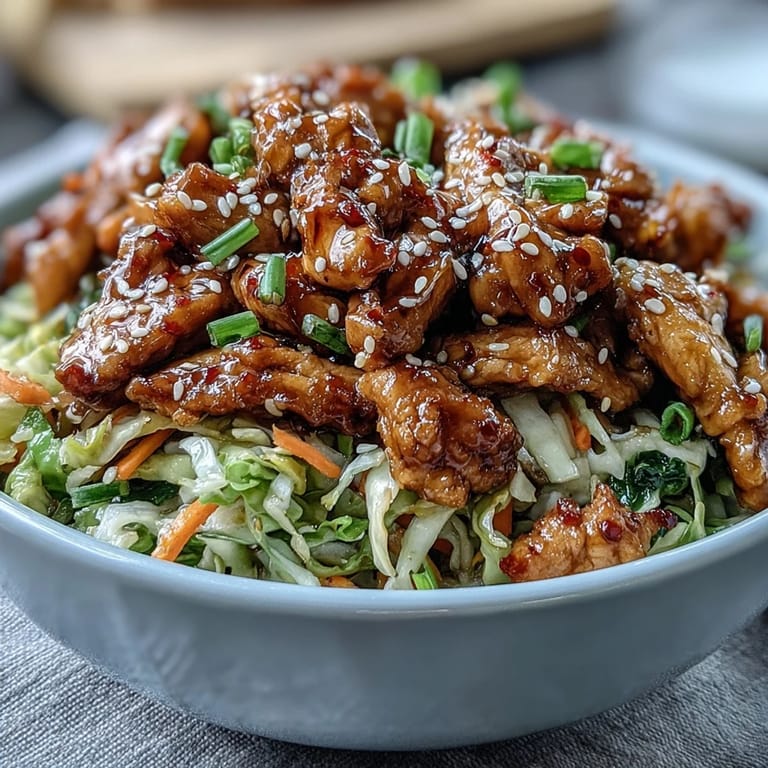
 My neighbor walked in one night while I was tossing cabbage in a screaming-hot pan, the smell of ginger and garlic billowing through the open window. She asked what I was making, and when I said egg roll bowls, she tilted her head and said she'd never heard of deconstructing a favorite takeout into something you could eat with a fork in under half an hour. I served her a bowl right there at the counter, and she went quiet for three bites before asking if I'd write it down. That's how I knew this one was a keeper.
I started making this on weeks when the thought of chopping vegetables felt like a chore, because somehow the rhythm of slicing cabbage and watching it wilt just enough became oddly soothing. My husband started requesting it every Sunday, claiming it reset his week. One time I forgot the sesame oil and he noticed immediately, which told me more about this recipe than any compliment could.
Ingredients
- Boneless, skinless chicken breasts (1 pound, thinly sliced or diced): Thin slices cook fast and soak up the sauce better than thick chunks, so take an extra minute with your knife or partially freeze the meat for easier cutting.
- Neutral oil (2 tablespoons, vegetable or canola): You need something with a high smoke point that won't compete with the garlic and ginger.
- Yellow onion (1 medium, thinly sliced): It sweetens as it cooks and adds a subtle backbone to the whole dish.
- Garlic (2 cloves, minced): Fresh is non-negotiable here, the jarred stuff just doesn't bloom the same way in hot oil.
- Fresh ginger (1 tablespoon, grated): Grate it on the small holes of a box grater so it melts into the pan and doesn't leave fibrous bits.
- Green cabbage (4 cups shredded, about 1 small head): The backbone of the bowl, it wilts just enough but keeps that essential crunch if you don't overcook it.
- Carrots (1 cup shredded, about 2 medium): They add color and a hint of sweetness that balances the salty soy.
- Green onions (2, sliced on a diagonal): A fresh, sharp finish that wakes up every bite.
- Low-sodium soy sauce (3 tablespoons): You can always add more salt, but you can't take it back, so start with low-sodium.
- Rice vinegar (1 tablespoon): It cuts through the richness and brightens everything without tasting overtly sour.
- Toasted sesame oil (1 teaspoon): A little goes a long way, this is the secret that makes it taste like takeout.
- Granulated sugar or honey (1 teaspoon): Just enough to round out the sauce and keep it from tasting one-note.
- Salt and freshly ground black pepper: Season as you go, not just at the end.
- Toasted sesame seeds (1 teaspoon, optional): They add a nutty crunch and make the bowl look like you tried harder than you did.
- Sriracha or chili crisp (optional): For those of us who can't leave well enough alone and need a little heat.
Tired of Takeout? 🥡
Get 10 meals you can make faster than delivery arrives. Seriously.
One email. No spam. Unsubscribe anytime.
Instructions
- Prep Everything First:
- Thinly slice the chicken, shred the cabbage and carrots, mince the garlic and ginger, slice the onion, and chop the green onions. This moves fast once the pan heats up, so having everything ready keeps you from burning the garlic while you're still grating ginger.
- Heat the Oil:
- Pour the neutral oil into a large skillet or wok over medium-high heat and let it shimmer. You want it hot enough that the onion sizzles when it hits the pan.
- Cook the Onion:
- Add the sliced onion and cook for about 2 minutes, stirring occasionally, until it turns translucent and soft. Don't rush this, the sweetness develops here.
- Add Garlic and Ginger:
- Stir in the minced garlic and grated ginger, cooking for just 30 seconds until the smell makes you lean over the pan. Any longer and the garlic will bitter.
- Brown the Chicken:
- Add the chicken, season lightly with salt and pepper, and cook for 5 to 7 minutes, stirring occasionally, until it's cooked through and no pink remains. Let it sit undisturbed for a minute or two if you want a little browning.
- Make Room for Veggies:
- Push the chicken mixture to one side of the pan. Add the shredded cabbage and carrots to the empty side so they can start cooking without steaming under the chicken.
- Soften the Cabbage:
- Cook the vegetables for 3 to 4 minutes, tossing occasionally, until they begin to soften but still retain some crunch. You want them tender, not mushy.
- Combine and Season:
- Mix the chicken and vegetables together in the pan until everything is evenly distributed. Stir in the soy sauce, rice vinegar, sesame oil, and sugar or honey, tossing to coat, and cook for 1 to 2 minutes until heated through.
- Taste and Adjust:
- Taste a forkful and adjust the seasoning with extra soy sauce, salt, or pepper if needed. This is your last chance to make it exactly how you like it.
- Serve and Garnish:
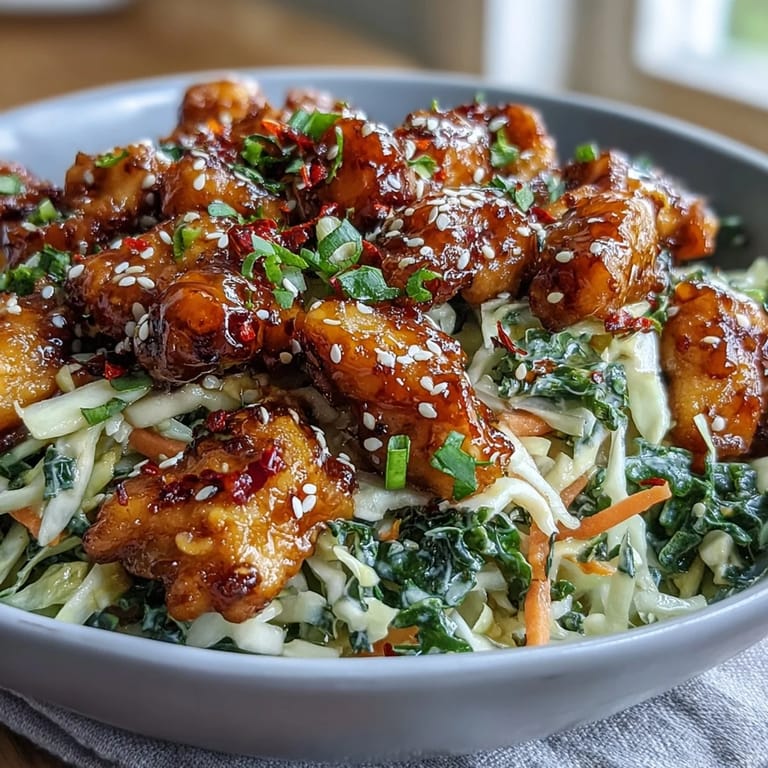
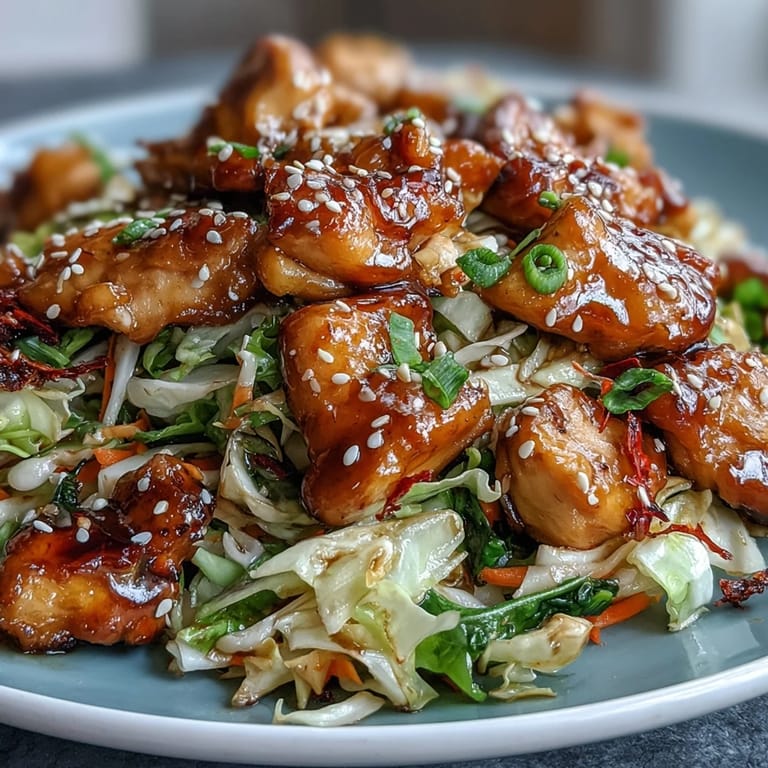
- Remove from heat and divide the mixture into serving bowls. Garnish each bowl with sliced green onions, toasted sesame seeds, and a drizzle of Sriracha or chili crisp if you're feeling brave.
 Save Pin
 The first time I brought this to a potluck, someone asked if I'd ordered it from the new place downtown. I didn't correct them right away because I wanted to see if anyone else would guess it was homemade. When I finally admitted I'd made it in one pan that morning, three people asked for the recipe before I'd even finished my own bowl.
Serving Suggestions
I usually eat this straight from the bowl with nothing underneath, but my kids like it over steamed jasmine rice so they can mix everything together into one big bite. My husband prefers cauliflower rice when he's pretending to be good, and honestly it works just as well. Sometimes I'll fry an egg and set it on top, letting the yolk run into the cabbage like a lazy person's sauce.
Make It Your Own
Swap the chicken for ground pork or turkey if that's what you have, or use crumbled firm tofu if you're keeping it plant based. I've made this with leftover rotisserie chicken on nights when even thirty minutes felt like too much, and it still tasted like I'd put in effort. A splash of fish sauce or hoisin in the sauce will add a deeper, richer flavor if you want to get a little fancy.
Storage and Reheating
Leftovers keep in an airtight container in the fridge for up to three days, though the cabbage will soften a bit as it sits. I reheat it in a skillet over medium heat rather than the microwave because it brings back some of that texture and keeps the chicken from turning rubbery. If you're meal prepping, store the garnishes separately so the sesame seeds and green onions stay fresh and crunchy.
- Let the mixture cool completely before sealing the container or condensation will make everything soggy.
- Add a splash of soy sauce or sesame oil when reheating to wake up the flavors.
- If the cabbage has released too much water, drain it off before reheating so the sauce doesn't get watery.
 Save Pin
 This is the kind of dinner that makes you feel like you've got it together even when you don't. Serve it on a Tuesday, and suddenly the week doesn't feel so long.
Recipe Questions & Answers
- → Can I use pre-shredded coleslaw mix instead of shredding my own cabbage and carrots?
Yes, a 16-ounce bag of coleslaw mix works perfectly as a time-saving substitute. Just ensure it's fresh and crisp for the best texture in your bowls.
- → What's the best way to slice the chicken thinly?
Chill the chicken breasts in the freezer for 15-20 minutes before slicing. This firms the meat, making it easier to cut thin, even strips. A sharp knife against the grain ensures tender, bite-sized pieces.
- → Can I make this dish ahead of time for meal prep?
This dish reheats beautifully. Store in airtight containers for up to 3 days. Reheat in a skillet over medium heat or in the microwave, adding a splash of water if needed to refresh the vegetables.
- → What can I substitute for soy sauce to make this gluten-free?
Use tamari or coconut aminos as a 1:1 substitute for soy sauce. Both provide similar umami flavor and saltiness while remaining gluten-free. Adjust quantities to taste.
- → How can I add more protein or make it more filling?
Serve over steamed jasmine rice, brown rice, or cauliflower rice. You can also add extra chicken, scrambled eggs, or edamame. A fried egg on top makes an excellent addition.
- → What vegetables work well in this dish besides cabbage and carrots?
Bok choy, snap peas, bell peppers, bean sprouts, or mushrooms all complement the flavors well. Add heartier vegetables earlier in the cooking process and delicate vegetables near the end.