 Save Pin
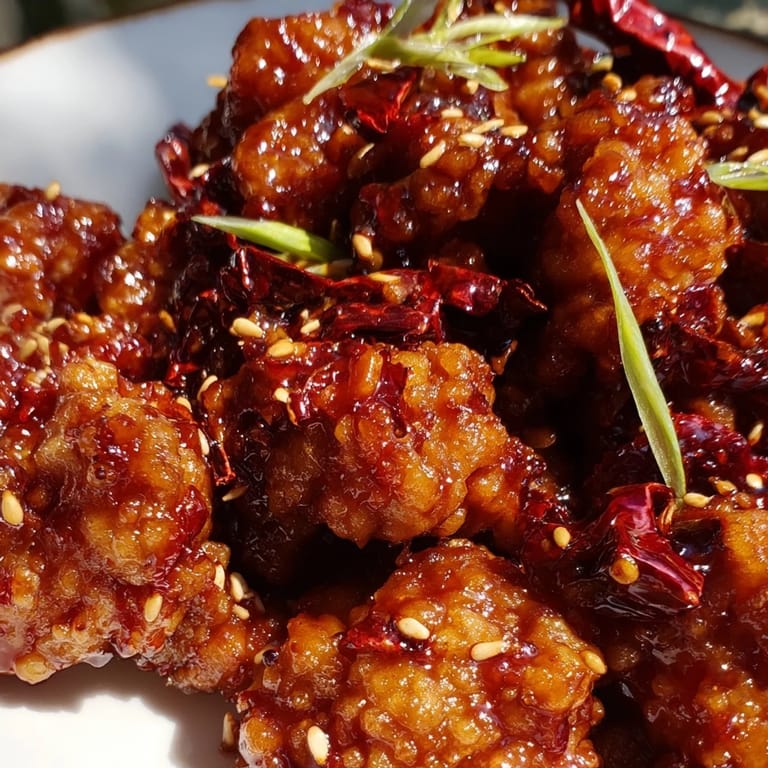
 I discovered General Tso's chicken during a rainy Tuesday takeout habit in college, and it became the dish I ordered to celebrate surviving exam weeks. The glossy red sauce clinging to crispy chicken always felt like comfort on a plate, and my roommates and I would argue over who got the last piece while watching movies in our tiny apartment kitchen.
Last winter I finally tackled making it from scratch after years of relying on delivery. My brother visited during a snowstorm and we crowded around the stove, taking turns frying batches while snow piled up outside the kitchen window. That first bite of perfectly crispy chicken coated in that tangy sweet sauce made us forget we were stuck indoors for the weekend.
Ingredients
- Chicken thighs: Thighs stay juicier through the double-cooking process compared to breasts, and cutting them into uniform pieces ensures even frying
- Cornstarch and flour blend: This combination creates that restaurant-style crunch that holds up even after tossing in the sauce
- Hoisin sauce: The secret ingredient that gives the sauce its deep, complex sweetness and gorgeous mahogany color
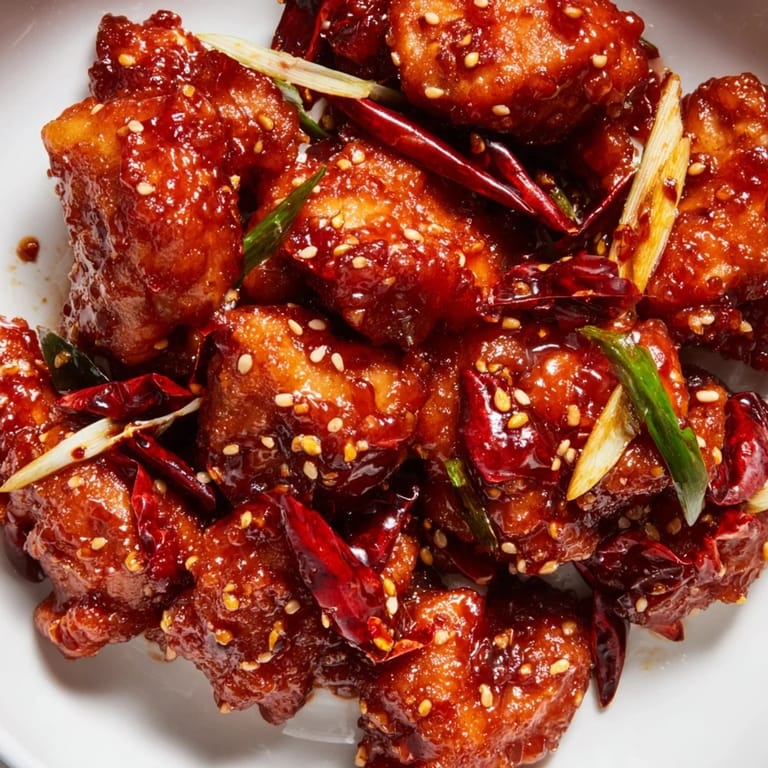
- Dried red chilies: Whole dried chilies infuse the oil with subtle heat without making the dish overwhelmingly spicy
- Rice vinegar: Cuts through the sugar and hoisin with just enough brightness to balance every bite
- Sesame oil: A small amount adds that signature nutty aroma that fills your entire kitchen while cooking
Tired of Takeout? 🥡
Get 10 meals you can make faster than delivery arrives. Seriously.
One email. No spam. Unsubscribe anytime.
Instructions
- Prepare the chicken:
- Whisk the eggs with soy sauce, sesame oil, and white pepper in a large bowl until well combined, then add the chicken pieces and toss until every piece is evenly coated in the mixture.
- Create the coating station:
- Mix the cornstarch and flour in a shallow dish, then dredge each chicken piece thoroughly and shake off any excess powder before setting aside on a plate.
- Fry until golden:
- Heat oil in a deep pan or wok to 350°F, then fry chicken in small batches for 4 to 5 minutes until golden brown and crispy, transferring each batch to a wire rack to drain.
- Make the sauce base:
- Whisk together the chicken broth, soy sauce, rice vinegar, hoisin sauce, sugar, sesame oil, and Shaoxing wine in a small bowl, then stir the cornstarch with water separately to create a smooth slurry.
- Build aromatic flavor:
- Heat fresh oil in a clean wok over medium heat and stir-fry the dried chilies, garlic, and ginger for about 1 minute until the garlic becomes fragrant and golden.
- Thicken the sauce:
- Pour the sauce mixture into the wok and stir constantly for 2 to 3 minutes until it bubbles, thickens, and becomes glossy enough to coat the back of a spoon.
- Bring it together:
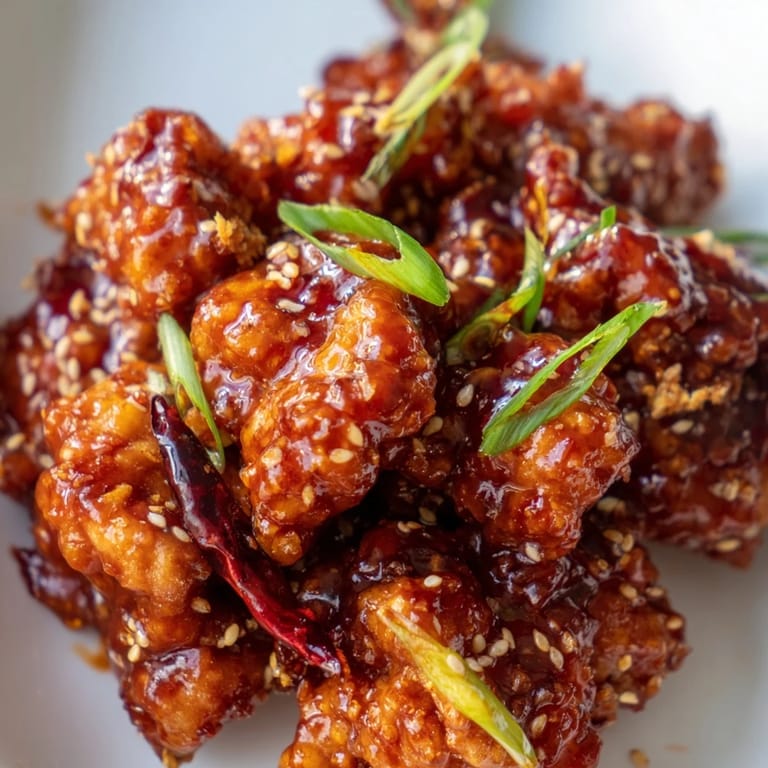
- Add the fried chicken to the sauce and toss vigorously until every piece is evenly coated and glossy, then serve immediately over steamed rice with spring onions and sesame seeds scattered on top.
 Save Pin
 This recipe has become my go-to for dinner parties because people get genuinely excited when they walk in and smell the ginger and garlic hitting the hot oil. Last month I made it for friends who swear they don't like Chinese takeout, and they went back for thirds while asking when I could teach them the technique.
Perfecting the Crisp
The cornstarch-to-flour ratio is crucial for that shatteringly crispy coating that restaurant dishes achieve. Too much cornstarch creates a shell that's almost hard rather than crunchy, while too much flour makes the coating soft and pillowy.
Sauce Timing Secrets
Add the cornstarch slurry only after the sauce mixture has come to a simmer, otherwise it can clump and create unpleasant starchy lumps. Whisking the slurry thoroughly before adding it prevents these clumps and ensures a perfectly smooth, glossy finish.
Make-Ahead Mastery
You can fry the chicken pieces up to 2 hours ahead and keep them warm in a 200°F oven, then toss them in the sauce just before serving. This approach works beautifully for dinner parties since it eliminates the last-minute frying stress.
- Double the sauce recipe and store half in the refrigerator for an incredibly easy second meal later in the week
- Serve with steamed broccoli or bok choy on the side to add freshness and color to the plate
- The flavors deepen overnight, so leftovers make an excellent lunch the next day if you somehow have any remaining
 Save Pin
 There's something deeply satisfying about plating this dish and watching people's faces light up when they take that first bite of perfectly balanced sweet, tangy, and crispy perfection.
Recipe Questions & Answers
- → What makes General Tso's chicken different from other Chinese dishes?
General Tso's features a unique sweet-tangy sauce with hoisin and rice vinegar, unlike the savory brown sauces of other dishes. The chicken is coated and deep-fried for extra crispiness before being tossed in the glossy sauce.
- → Can I bake or air-fry the chicken instead of deep-frying?
Yes, for a lighter version. Bake at 200°C (400°F) for 20-25 minutes, turning halfway, or air-fry at 200°C for 12-15 minutes until crispy and cooked through.
- → How spicy is General Tso's chicken?
The spice level is mild to medium, adjustable by the amount of dried chilies or chili flakes used. Start with fewer chilies for milder heat, or increase for more kick.
- → Why use chicken thighs instead of breast?
Chicken thighs remain juicier and more tender after frying due to higher fat content. Breast can be used but may dry out more easily during cooking.
- → Can I make the sauce ahead of time?
Yes, prepare the sauce mixture up to 24 hours in advance and store refrigerated. Cook and thicken just before tossing with the fried chicken for best results.
- → What can I serve with General Tso's chicken?
Classic steamed white rice is traditional, but it also pairs well with fried rice, stir-fried vegetables like broccoli or bok choy, or noodles for a complete meal.