 Save Pin
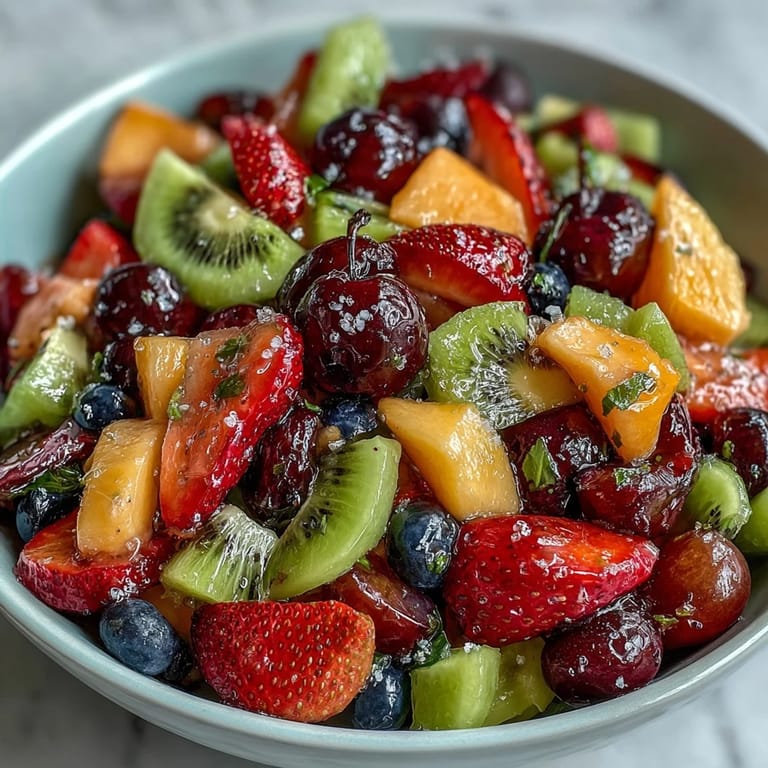
 My neighbor knocked on my door one April morning with a bag of strawberries from her garden, and I suddenly realized I had nothing impressive to serve at the brunch I'd planned for that afternoon. Within an hour, I'd arranged every fruit in my kitchen onto a platter, whisked together some yogurt and honey, and created something that looked like it belonged in a magazine—except it tasted even better because it was real. Since then, this has become my go-to when I need something that feels effortless but looks intentional, and honestly, guests always seem relieved when they see fresh fruit instead of something heavy.
I served this at a garden party last May where someone's teenage daughter was convinced she hated fruit, and she ended up going back for thirds, dunking blueberries in that sauce like it was the most natural thing in the world. Her mom gave me a look of pure gratitude—the kind you don't forget. That's when I understood this isn't just about the fruit; it's about presenting something so inviting that people actually want to eat it.
Ingredients
- Strawberries: Hull them just before assembling so they don't weep into the other fruits and turn everything pink.
- Blueberries: Buy them a day or two before if possible so they're at their firmest and most jewel-like on the platter.
- Pineapple: Cut into bite-sized pieces rather than spears—people appreciate not having to wrestle with their fruit when they're holding a plate.
- Kiwis: Peel and slice thick enough that they hold their shape, thin enough that your guests don't need a knife to cut them further.
- Red grapes: Halving them isn't strictly necessary, but it makes them less likely to roll around and gives you a chance to spot any that have started to wrinkle.
- Mango: If it's not perfectly ripe, slice it a few hours ahead so it softens slightly and becomes sweeter.
- Apple and pear: Slice these last and toss lightly with a squeeze of lemon juice to prevent browning—trust me on this, I've learned it the hard way.
- Orange: Segmented rather than sliced, which means more juice stays in the fruit and less ends up on the platter.
- Greek yogurt: Use the plain version if you want the honey to shine, or vanilla if you want something more subtly sweet.
- Honey: This is your sweetener and the glue that holds the sauce together, so don't skip it for agave or it'll taste watery.
- Lemon zest and juice: These two prevent the sauce from tasting one-dimensional and keep everything tasting bright instead of heavy.
- Vanilla extract: Optional but worth the half-teaspoon because it makes people wonder what the secret ingredient is.
Tired of Takeout? 🥡
Get 10 meals you can make faster than delivery arrives. Seriously.
One email. No spam. Unsubscribe anytime.
Instructions
- Wash and dry everything thoroughly:
- Wet fruit makes for a slippery platter and a watery sauce, so take the extra minute to pat everything dry with a clean towel. You'll notice immediately how much better the colors pop.
- Slice and segment with intention:
- Work through each fruit one at a time so you're not switching between apples and berries and making unnecessary mess. As you cut, think about how each piece will look on the platter—this is where the magic happens.
- Arrange the platter like you're telling a story:
- Start with a base color (I usually begin with strawberries), then build outward with contrasting colors and shapes so every section feels different. Don't overthink it—if it looks good to your eye, it's arranged correctly.
- Whisk the yogurt sauce until it's completely smooth:
- This takes about a minute of actual whisking, and it transforms the yogurt from thick and grainy to cloud-like and creamy. Once you can see a ribbon of sauce fall from your whisk, you're done.
- Taste and adjust the sauce before serving:
- Is it sweet enough? Add another drizzle of honey. Needs brightness? Squeeze more lemon. This is your chance to make it exactly what you want it to be.
- Set the sauce in the center or alongside and serve immediately:
- If you need to hold it for a couple of hours, cover both the platter and the sauce with plastic wrap and refrigerate—the fruit stays fresher this way.
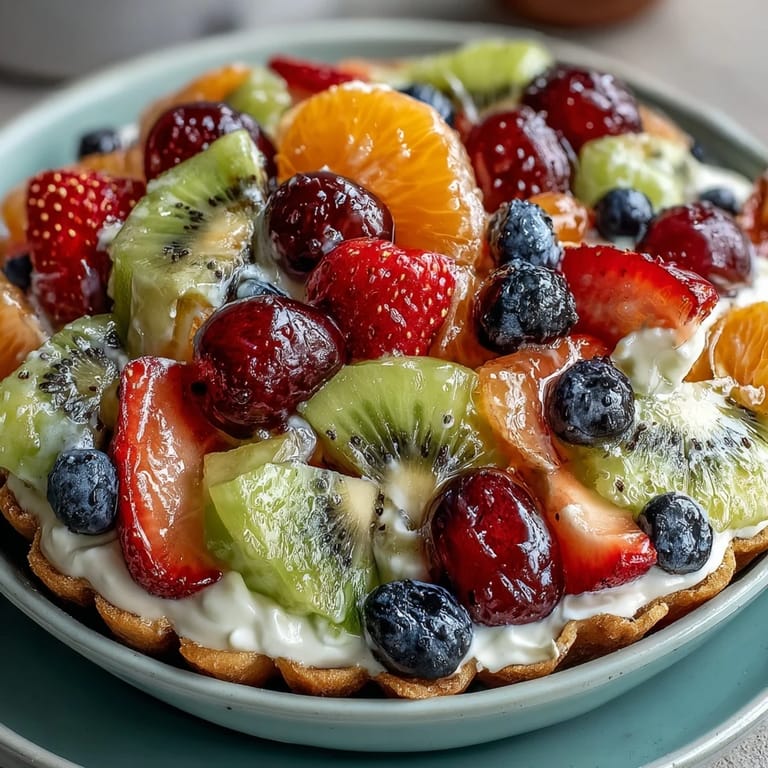 Save Pin
 There's something about gathering around a fruit platter that makes conversations easier and moments feel less formal, even when you've set everything up deliberately. I think it's because fruit says you care without saying you spent hours cooking, and somehow that honesty makes people relax.
Choosing Your Fruits Seasonally
Spring brings strawberries and pineapple, early summer adds peaches and berries, and if you're working with fall fruit, switch to apples, pears, and grapes instead. The beauty of this recipe is that it's forgiving—whatever looks good at the farmers' market will work beautifully here. I once made this in November with pomegranate seeds and persimmons, and it felt completely different but equally lovely.
The Sauce Is Actually the Star
People always assume the yogurt sauce is just a supporting player, but watch how much time guests spend dipping their fruit in it, going back for more sauce even after the fruit is gone. That balance of creamy, sweet, and tangy is what makes this recipe stick in people's minds long after the platter is empty. I've had three different people ask me for the sauce recipe as if it were some closely guarded secret, when really it's just four ingredients and a whisk.
Making It Work for Your Crowd
This recipe scales beautifully whether you're feeding six people or serving forty at a wedding—just multiply the quantities and use multiple platters for better presentation. I've also learned that grouping fruits by color rather than by type makes everything look more intentional, and guests tend to try more varieties because the arrangement draws their eye around the whole platter. If anyone at your gathering avoids dairy, keep a small bowl of coconut yogurt with its own sauce on the side—they'll appreciate the thought.
- Fresh mint leaves scattered over the fruit at the last moment add a garden-fresh note that makes everything taste like spring.
- Toasted coconut flakes or chopped pistachios can sit in a tiny bowl on the side for people who want texture.
- This platter is best served within two hours, but the yogurt sauce keeps covered in the refrigerator for three days if you need to make it ahead.
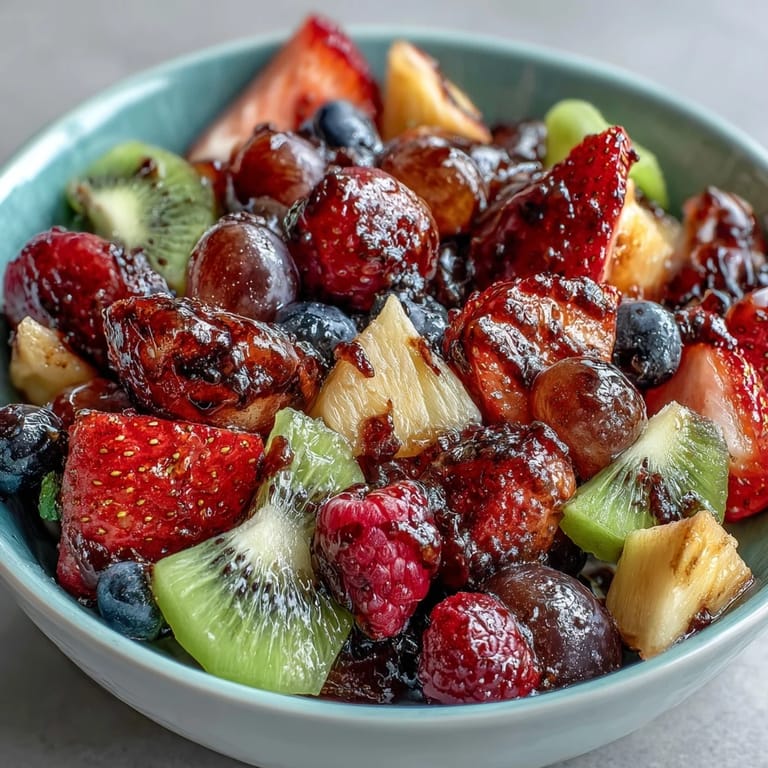 Save Pin
 This is one of those recipes that teaches you that beautiful food doesn't require hours or complicated technique—sometimes it just requires paying attention to what's in season and presenting it with a little care. Serve it with confidence, and watch how it becomes the meal people remember.
Recipe Questions & Answers
- → What fruits are included in the platter?
Strawberries, blueberries, pineapple, kiwis, red grapes, mango, apple, pear, and orange segments make up the colorful assortment.
- → How is the dipping sauce prepared?
Whisk together Greek yogurt, honey, lemon zest, lemon juice, and optional vanilla until smooth and creamy.
- → Can I substitute any ingredients?
Seasonal fruits like blackberries or peaches can replace some fruits; coconut yogurt and maple syrup can create a vegan dip.
- → How should the platter be served?
Arrange fruits attractively on a large serving platter and provide the dipping sauce in a small bowl alongside or at the center.
- → Are there allergen considerations?
The sauce contains milk and honey; use plant-based yogurt for dairy allergies, and avoid honey for children under 1 year.