 Save Pin
 There's something about baking a cake for someone's milestone that changes how you approach the whole process. My neighbor asked if I could make something special for her daughter's First Communion, and I found myself standing in the kitchen on a quiet Saturday morning, thinking about how a simple vanilla cake could somehow feel like the right way to celebrate. The smell of butter and sugar creaming together has this way of making any kitchen feel like a place where important things happen. I settled on a tender sheet cake with buttercream flowers—nothing too fussy, but dressed up enough to feel ceremonial.
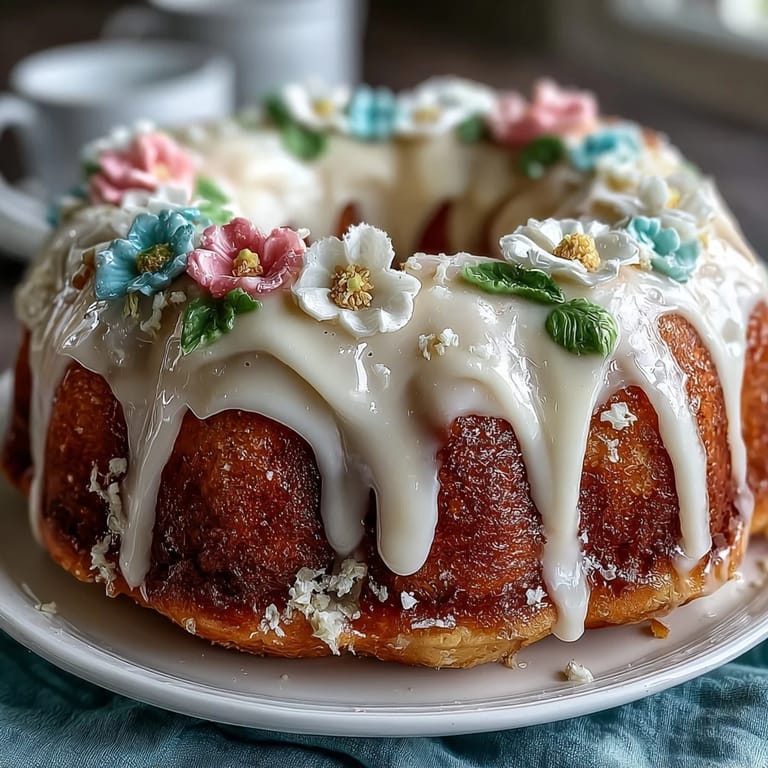
I'll never forget watching my neighbor's daughter's face when she saw the cake sitting on the dessert table—the way her eyes went straight to the pink and yellow flowers piped across the top. Her little friends crowded around before anyone even thought to cut into it, and suddenly a sheet cake became the centerpiece of the whole celebration. That's when I understood this wasn't just about the recipe; it was about creating something that made a moment feel special.
Ingredients
- All-purpose flour (2 ½ cups): The foundation of a tender crumb—don't sift it unless your recipe specifically calls for it, as extra aeration can make the cake dense.
- Baking powder (2 ½ tsp): This gives the cake its gentle lift and even rise; make sure it's fresh by checking the date on the container.
- Salt (½ tsp): A pinch of salt deepens vanilla flavor in ways you won't detect as saltiness but absolutely will notice if it's missing.
- Unsalted butter, softened (1 cup for cake, 1 ½ cups for frosting): Room temperature butter incorporates air more easily when beaten, creating that light, fluffy crumb.
- Granulated sugar (2 cups): The creaming method depends on sugar crystals physically incorporating air into butter, so don't skip the three-minute beating time.
- Large eggs, room temperature (4): Cold eggs won't emulsify properly into the butter mixture, potentially resulting in a grainy batter.
- Pure vanilla extract (1 tbsp for cake, 2 tsp for buttercream): Use real vanilla; imitation extract can taste oddly flat against buttercream's richness.
- Whole milk, room temperature (1 cup for cake, ¼ cup for buttercream): The alternating addition prevents the batter from breaking and ensures an even, tender crumb.
- Powdered sugar, sifted (6 cups): Sifting prevents lumps that will show up in your finished frosting like tiny grains of sand.
- Food coloring (gel preferred): Gel coloring keeps your buttercream the right consistency; liquid coloring can make it weepy.
Tired of Takeout? 🥡
Get 10 meals you can make faster than delivery arrives. Seriously.
One email. No spam. Unsubscribe anytime.
Instructions
- Prep and preheat:
- Set your oven to 350°F and prepare a 9x13-inch pan with parchment paper—this prevents sticking and makes the cake easier to turn out onto a cooling rack. Pull your eggs and milk from the fridge now so they reach room temperature while you work.
- Build your dry ingredients:
- In a medium bowl, whisk flour, baking powder, and salt together until everything is evenly distributed. This is your insurance policy against scattered pockets of baking powder.
- Cream butter and sugar:
- Beat softened butter and sugar together for about three minutes, watching as the mixture transforms from grainy and pale to light and fluffy with visible air bubbles. This step is worth the full time—it's what gives the cake its tender structure.
- Incorporate eggs:
- Add eggs one at a time, beating well after each addition so the batter stays smooth and emulsified. If it looks slightly curdled, don't panic; the flour will smooth everything out.
- Alternate and fold:
- Add flour mixture in three additions, alternating with milk and always starting and ending with flour. Mix just until combined—overmixing develops gluten and creates a dense, tough cake.
- Transfer and smooth:
- Pour batter into the prepared pan and use a spatula to level the top for even baking. A flat surface means more uniform cake and easier frosting later.
- Bake until golden:
- Bake for 28 to 32 minutes, inserting a toothpick in the center to check for doneness—you want just a few moist crumbs clinging to it, not a wet batter. The cake will smell buttery and vanilla-rich and the top will spring back slightly when touched.
- Cool with patience:
- Let the cake rest in the pan for ten minutes to set before turning out onto a wire rack to cool completely. Rushing this step risks the cake breaking apart while it's still fragile.
- Make the buttercream:
- Beat softened butter until creamy and pale, then gradually add sifted powdered sugar in additions, alternating with milk. This gradual process prevents clouds of sugar and keeps the frosting smooth and spreadable.
- Tint your colors:
- Divide buttercream into small bowls and add gel food coloring drop by drop, stirring until you reach the shade you want. Gel coloring is forgiving and won't thin out your frosting like liquid coloring does.
- Frost the base:
- Spread a generous layer of plain white buttercream over the cooled cake as your canvas. Use an offset spatula or butter knife dipped in warm water for a smoother finish.
- Pipe flowers and leaves:
- Fill piping bags with flower tips and colored buttercream, then pipe blooms and greenery across the cake with confidence—wonky flowers have personality. Practice a few on a plate first if piping is new to you.
- Add final details:
- If you'd like, pipe a delicate cross with a small round tip or personalize with a name, keeping the design balanced and simple so the flowers remain the star.
 Save Pin
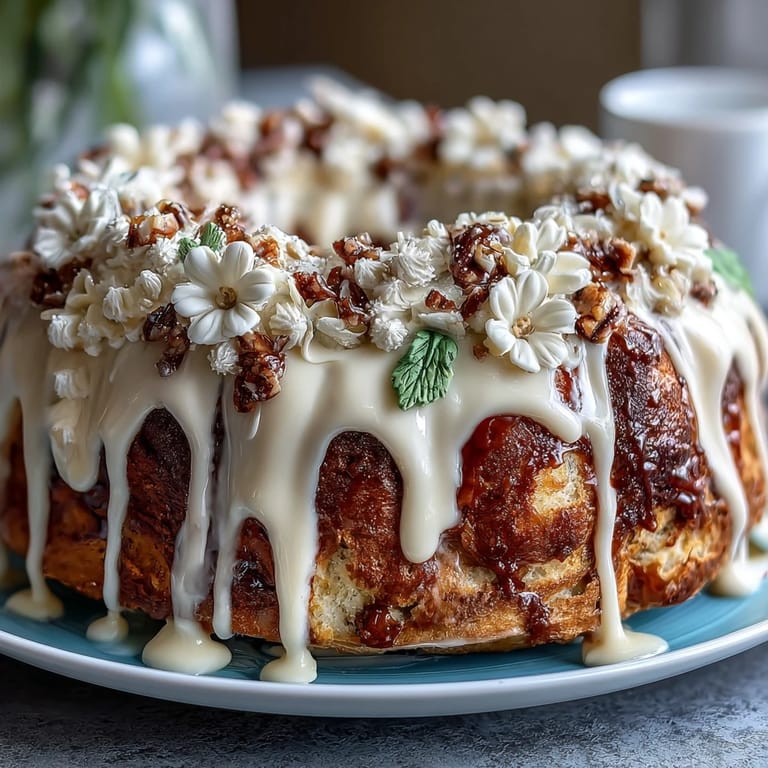
 There's a moment when decorating becomes less about following instructions and more about enjoying yourself. I remember piping flowers onto that cake and realizing I was humming, that my shoulders had relaxed, that this whole process had shifted from a task into something meditative. Cake decorating doesn't require perfection; it requires presence.
Why This Cake Works for Celebrations
Sheet cakes have an underrated elegance—they're the opposite of fussy, yet they can look absolutely stunning when decorated thoughtfully. This particular cake carries a simplicity that feels appropriate for milestone moments without demanding that you have professional pastry skills. The buttercream flowers are forgiving enough that your first attempt will still look lovely, and each attempt gets easier and more confident.
The Magic of Make-Ahead Baking
One of the greatest gifts you can give yourself when hosting or celebrating is baking the cake a full day ahead. The flavor actually deepens and the crumb becomes even more tender after sitting overnight, covered loosely on the counter. This also means you can frost and decorate in the morning without the stress of a freshly baked, still-warm cake.
Small Details That Matter
The difference between good buttercream and exceptional buttercream often comes down to technique and patience rather than fancy ingredients. I learned this the hard way after rushing the sifting step once and ending up with a frosting full of sugar lumps that showed up in every piped flower. Now I sift, take a breath, and trust that these small acts of care compound into something worth celebrating.
- Gel food coloring stays vibrant and keeps your buttercream the right consistency for piping.
- Warming your piping bag under hot running water between color changes prevents streaking.
- If a flower doesn't look right, smooth it with a warm spatula and pipe over it again—buttercream is infinitely forgiving.
 Save Pin
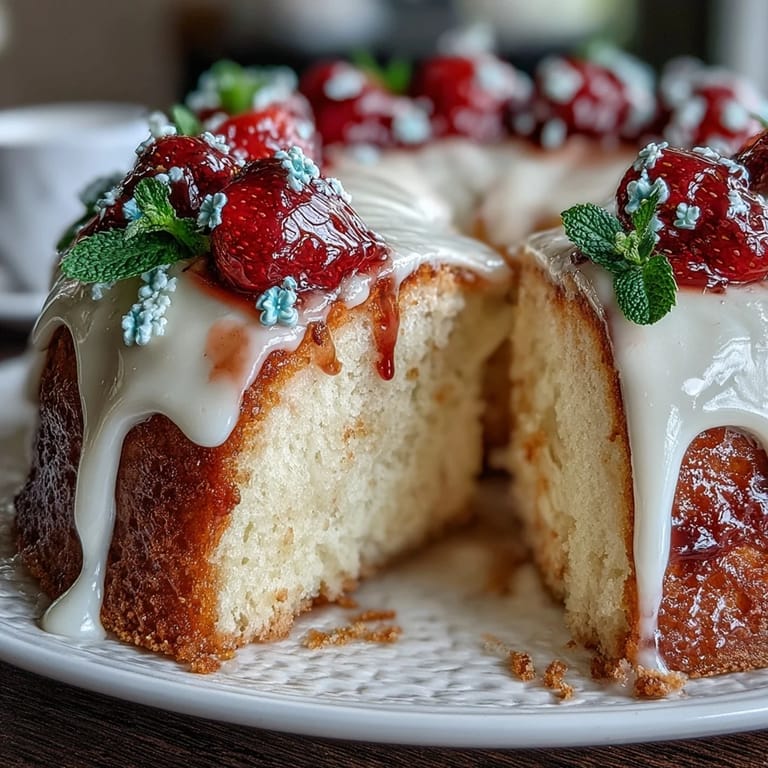
 This cake is proof that sometimes the most meaningful celebrations don't require complicated recipes—just good ingredients, a little care, and the willingness to make something beautiful for someone you care about. That's really all any of us are doing in the kitchen anyway.
Recipe Questions & Answers
- → How do I achieve a moist texture in this cake?
Using room temperature butter, eggs, and milk, combined with precise mixing to avoid overworking the batter, ensures a tender, moist crumb.
- → What’s the best way to pipe the buttercream flowers?
Use piping bags with flower and leaf tips. Tint small portions of buttercream with gel food coloring for vibrant, non-runny petals and leaves.
- → Can I prepare this cake in advance?
Yes, it can be baked and frosted a day ahead. Store covered at room temperature to maintain freshness.
- → What alternatives enhance the vanilla flavor?
Adding a half teaspoon of almond extract to the batter adds a subtle, complementary flavor boost.
- → How can I tell when the cake is fully baked?
Insert a toothpick into the center; it should come out clean or with just a few moist crumbs attached.