 Save Pin
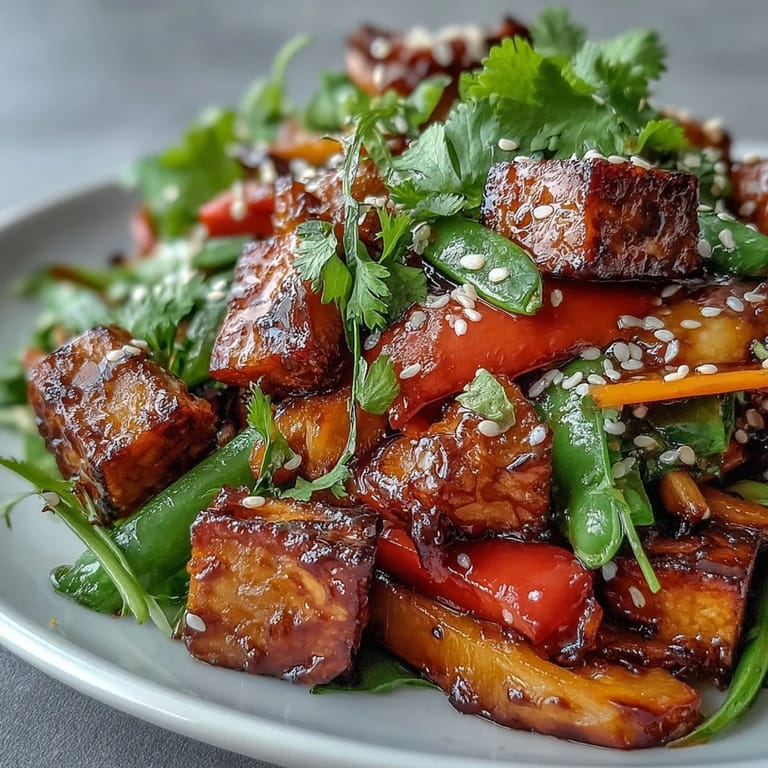
 There's something almost meditative about the sound of tempeh hitting hot oil—that satisfying sizzle that tells you everything's about to come together. I discovered this stir-fry on a Tuesday evening when I had exactly fifteen minutes and a fridge full of vegetables that needed rescuing. The nutty, golden tempeh against the snap of crisp peppers became my go-to proof that weeknight dinners don't have to feel like compromise.
I made this for my sister's surprise dinner when she went vegan, and watching her take that first bite—then immediately ask for the recipe—felt like the best kind of validation. It's become the dish I reach for when I want to feed people something that feels special without turning the cooking into theater.
Ingredients
- Tempeh, 250 g, cut into 1 cm cubes: This fermented soy cake has a firmer texture and nuttier flavor than tofu, and the cubes give you more surface area for browning—don't skip the cubing step because it changes everything.
- Red and yellow bell peppers, one of each, sliced: The color isn't just pretty; it means you're getting different ripeness levels and sweetness, which creates depth in a simple dish.
- Medium carrot, julienned: Thin matchsticks cook quickly and give you those satisfying little bursts of natural sweetness.
- Sugar snap peas, 100 g, trimmed: These stay crisp even with heat, which is exactly what you want in a stir-fry texture story.
- Broccoli florets, 100 g: Use smaller pieces so they cook evenly without becoming mushy.
- Spring onions, 2, sliced: Add these at the very end to keep their fresh bite intact.
- Garlic and ginger, minced fresh: The combination creates an aroma that announces dinner before anyone walks through the door.
- Soy sauce, 3 tbsp: Use tamari if gluten matters to you—the depth of flavor stays exactly the same.
- Rice vinegar, 1 tbsp: This adds brightness without the harsh edge you'd get from distilled vinegar.
- Maple syrup or agave, 1 tbsp: A touch of sweetness balances the salty-savory elements and helps the sauce coat everything evenly.
- Toasted sesame oil, 1 tsp: A little goes a long way—this is about aroma and depth, not drowning the vegetables.
- Cornstarch, 1 tsp: This creates that silky sauce coating without making things heavy.
- Vegetable oil, 2 tbsp total: Use something neutral so the tempeh and sauce flavors stay center stage.
- Sesame seeds and fresh cilantro, optional garnish: These add texture and a final bright note that makes the whole thing feel intentional.
Tired of Takeout? 🥡
Get 10 meals you can make faster than delivery arrives. Seriously.
One email. No spam. Unsubscribe anytime.
Instructions
- Whisk your sauce first:
- Combine soy sauce, water, rice vinegar, maple syrup, sesame oil, and cornstarch in a small bowl and set it aside. Having this ready means you won't be fumbling mid-stir-fry when timing matters.
- Brown the tempeh until it's golden:
- Heat one tablespoon of oil in your wok or large skillet over medium-high heat, then add the tempeh cubes and let them sit for a minute before stirring—this builds color and that nutty flavor that makes everything better. Cook for four to five minutes, stirring occasionally, until the cubes have golden edges on multiple sides, then move them to a plate.
- Bloom the garlic and ginger:
- Add the remaining oil to the wok and let it get shimmering hot, then add your minced garlic and ginger and cook for just thirty seconds until the kitchen smells incredible. Don't let them brown—you're just waking up their flavors.
- Stir-fry the vegetables until they're just tender:
- Add the bell peppers, carrot, sugar snap peas, and broccoli and keep everything moving for four to five minutes. You want them cooked through but still with a little snap when you bite—that contrast is what makes stir-fry feel alive.
- Bring everything together with the sauce:
- Return the tempeh to the wok, give your sauce a quick stir to redistribute the cornstarch, then pour it over everything and toss for one to two minutes until the sauce turns glossy and coats all the pieces. It should feel cohesive, not soupy.
- Finish and serve hot:
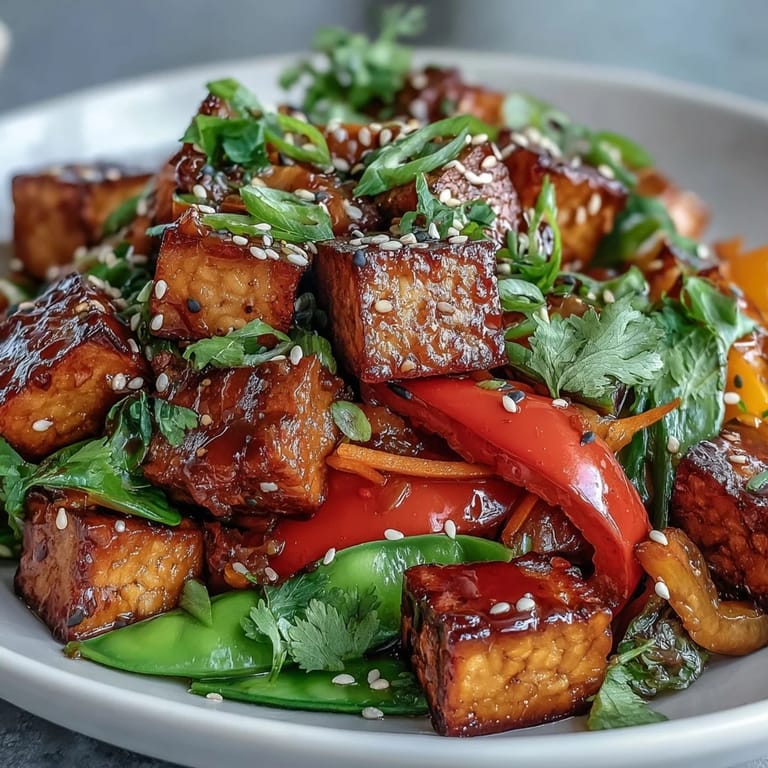
- Remove from heat, stir in the spring onions so they stay fresh and green, then scatter sesame seeds and cilantro over the top if you're using them. Serve immediately over rice or noodles while everything's still steaming.
 Save Pin
 The best part of making this stir-fry isn't the cooking—it's the moment when someone takes a second helping without asking questions, and you realize you've created something that tastes both nourishing and exciting. That's when food stops being fuel and becomes a small kind of joy.
Building Better Stir-Fry Texture
A great stir-fry lives and dies by the contrast of textures, and this dish gets that right because each element cooks at its own pace. The tempeh is crispy outside and tender within, the vegetables maintain their snap even though they're warm through, and the sauce brings everything together without drowning the individual characters. I learned this the hard way by overcooking vegetables into submission, and now I watch for that moment when they just barely soften—usually around the four-minute mark.
Adapting This for Your Pantry and Season
Winter taught me that this recipe is less about specific vegetables and more about the technique, which means you can build it around what's actually available. Mushrooms, baby corn, zucchini, bok choy, or even cauliflower florets all work beautifully in this framework. The sauce is forgiving enough that swapping one vegetable for another doesn't break anything—it just changes the story slightly, which is the beauty of understanding how a dish actually works instead of just following steps.
Heat and Flavor Customization
I keep this version on the mild side because not everyone wants heat, but the sauce becomes something else entirely when you add a pinch of chili flakes or a splash of sriracha. A friend who loves spice drizzles it over her portion after serving, which keeps everyone happy at the same table. You could also add a teaspoon of chili paste to the sauce base, or even fresh sliced chilis during the vegetable cooking phase if you want the heat integrated rather than optional.
- A squeeze of fresh lime juice added right before serving brings brightness that deepens all the other flavors.
- Pairing this with jasmine rice lets the rice soak up the sauce, while soba noodles create a different texture story altogether.
- Leftovers reheat beautifully and actually taste better the next day as flavors mellow and marry together.
 Save Pin
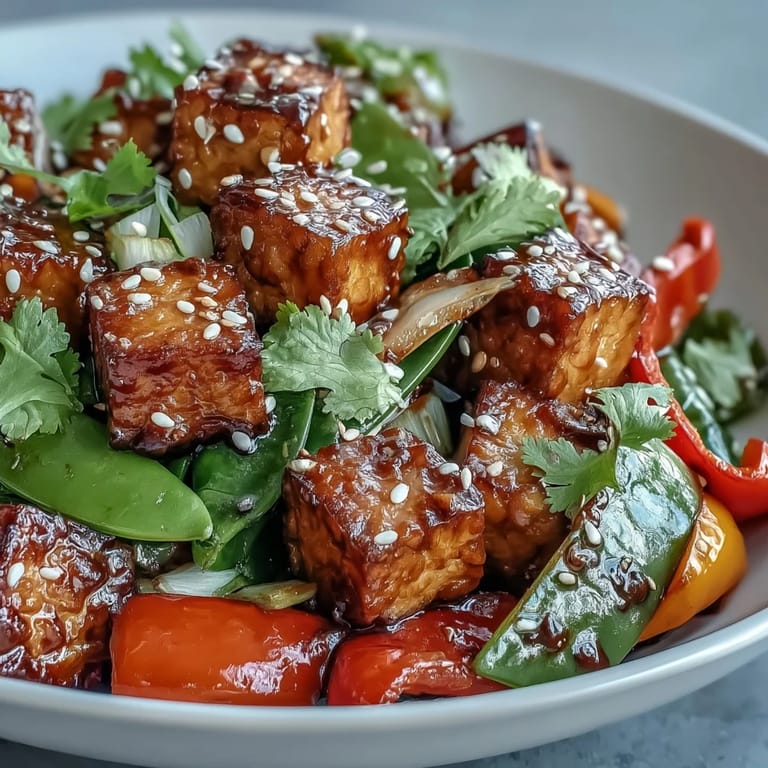
 This stir-fry sits somewhere between weeknight practicality and genuine cooking satisfaction, which might be why it keeps showing up on my table. It asks for your attention for exactly fifteen minutes, then gives back a bowlful of color, nutrition, and flavor that feels like you did something right.
Recipe Questions & Answers
- → What vegetables work best in this stir-fry?
Bell peppers, snap peas, and broccoli provide excellent color and crunch. You can easily substitute with mushrooms, baby corn, zucchini, or bok choy based on what's in season or your personal preference.
- → How do I prevent tempeh from being dry or bitter?
Cutting tempeh into small 1 cm cubes helps it cook evenly and absorb the savory sauce. Pan-frying until golden creates a crispy exterior. If you find tempeh bitter, try steaming it for 10 minutes before stir-frying.
- → Can I make this gluten-free?
Simply replace regular soy sauce with tamari or coconut aminos. The rest of the ingredients including tempeh are naturally gluten-free, making this an easy adjustment for those with gluten sensitivities.
- → What can I serve with this stir-fry?
Steamed jasmine rice is a classic pairing that soaks up the savory sauce. Soba noodles, brown rice, or quinoa also work beautifully. For a lighter option, serve over cauliflower rice or enjoy it on its own as a protein-packed meal.
- → How long will leftovers keep?
Store cooled leftovers in an airtight container in the refrigerator for up to 3 days. Reheat gently in a skillet or microwave, adding a splash of water if needed to loosen the sauce. The vegetables will soften slightly but remain delicious.
- → Can I add more protein or make it spicier?
Edamame, cashews, or tofu cubes can supplement the tempeh for extra protein. For heat, add red pepper flakes, fresh chili slices, or sriracha to the sauce. Adjust spice levels to your preference—this base is highly adaptable.